
Introduction
Welding is one of the most important processes used in modern industries. It plays a key role in manufacturing, construction, automotive production, and many other sectors. From building infrastructure to assembling machinery, welding helps create strong and durable metal structures that support everyday life.
In industrial environments, maintaining quality and precision is essential. This is why businesses rely on high-quality welding consumables and professional solutions to ensure strong and long-lasting joints. Companies like Kailaji Alloys provide reliable materials that support consistent performance across various welding applications. Understanding welding, its types, and its applications can help industries choose the right processes and materials for their needs.
What Is Welding
Welding is a fabrication process used to join two or more materials, usually metals, by applying heat, pressure, or both. In most cases, the materials are melted and fused together, sometimes with the help of a filler material to strengthen the joint.
Unlike other joining methods such as bolting or riveting, welding creates a permanent bond. This makes it ideal for heavy-duty applications where strength and durability are essential. Welding is widely used in industries where structural integrity and performance cannot be compromised.
Types of Welding Processes
There are several types of welding processes, each designed for specific materials and applications. Choosing the right process depends on the type of metal, the working environment, and the desired strength of the joint.
Arc Welding
Arc welding is one of the most common methods used in industrial applications. It uses an electric arc to generate heat and melt the metal surfaces. This process is widely used in construction, fabrication, and repair work because of its versatility and efficiency.
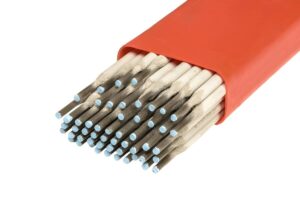
For repair and maintenance applications, using high-quality hardfacing electrodes ensures durability and extended equipment life.
MIG Welding
MIG welding, also known as metal inert gas welding, uses a continuous wire feed as an electrode along with a shielding gas. This process is fast, efficient, and suitable for large-scale industrial production. It is commonly used in automotive manufacturing and fabrication units.
To achieve consistent results, industries rely on premium MIG welding wires that provide strong welds and smooth operation.
TIG Welding
TIG welding, or tungsten inert gas welding, uses a non-consumable tungsten electrode to create high-quality welds. It is known for its precision and clean finish, making it suitable for welding thin materials such as stainless steel and aluminum.
Using the right TIG welding wires ensures precision and high-quality finishes, especially in critical applications.
Flux Cored Arc Welding
This process is similar to MIG welding but uses a special flux-filled wire. It is suitable for outdoor applications and heavy-duty industrial work. It is often used in construction, shipbuilding, and structural welding.
High-performance flux cored wires are commonly used in such demanding environments to ensure strength and reliability.
Brazing
Although not technically welding, brazing is a related process used to join metals using a filler material at lower temperatures. It is commonly used in applications where precision and minimal distortion are required.
Industries often use specialized brazing alloys for applications that require controlled heat and strong bonding.
Welding Materials and Consumables
Welding requires specialized materials known as consumables. These materials play a critical role in determining the quality and strength of the weld.
Common welding consumables include welding wires, electrodes, flux cored wires, and brazing alloys. Each type of consumable is designed for specific metals and applications. For example, stainless steel welding requires different materials compared to aluminum or carbon steel.
Using the right consumables from trusted providers like Kailaji Alloys ensures better performance, stronger joints, and improved efficiency. High-quality materials also reduce the chances of defects and rework, which is essential in industrial operations.
Applications of Welding
Welding is used across a wide range of industries, making it one of the most versatile processes in manufacturing and construction.
Automotive Industry
In the automotive sector, welding is used to assemble vehicle frames, exhaust systems, and structural components. It ensures durability and safety in vehicles.
Construction Industry
Welding plays a major role in building bridges, buildings, and infrastructure projects. It is essential for structural steel fabrication and reinforcement.
Power and Energy
In power plants and energy sectors, welding is used in pipelines, boilers, and heavy machinery. It helps maintain strong and leak-proof systems.
Shipbuilding
Shipbuilding requires heavy-duty welding to join large metal plates and create strong marine structures. This ensures durability in harsh environments.
Petrochemical Industry
Welding is widely used in pipelines, storage tanks, and pressure vessels in the petrochemical sector. It ensures safety and reliability in high-pressure conditions.
Why Welding Is Important
Welding is not just a joining process. It is a critical part of modern industrial development. It allows businesses to create strong, durable, and reliable structures that can withstand demanding conditions.
A well-executed weld improves product quality, enhances safety, and ensures long-term performance. This is why industries invest in professional welding solutions and high-quality consumables.
Safety in Welding
Safety is an important aspect of welding due to the use of heat, sparks, and potentially harmful fumes. Proper precautions must be taken to ensure a safe working environment.
Welders should use protective equipment such as helmets, gloves, and safety clothing. Proper ventilation is also necessary to reduce exposure to fumes. Using certified welding safety equipment helps maintain safety standards and ensures smooth operations.
Choosing the Right Welding Solution
Selecting the right welding process and materials is essential for achieving the best results. Factors such as the type of metal, application, environment, and strength requirements must be considered.
Working with an experienced provider like Kailaji Alloys ensures access to high-quality products and expert guidance. This helps businesses maintain high standards of quality and efficiency in their operations.
Conclusion
Welding is a vital process that supports a wide range of industries, from construction and automotive to energy and manufacturing. Understanding different welding types, processes, and applications helps businesses make informed decisions and improve their operations.
By using the right techniques and high-quality consumables, companies can achieve strong, reliable, and long-lasting results. Investing in professional welding solutions is not just about improving performance but also about ensuring safety and long-term success.
Get Started Today
If you are looking to improve your welding processes with reliable and high-quality solutions, now is the time to take the next step. Choosing the right partner can make a significant difference in the quality, efficiency, and durability of your work.
Kailaji Alloys offers a wide range of industry-grade solutions, including welding wires like copper electrodes, and brazing alloys, designed to meet the demands of modern industries.
Get in touch with Kailaji Alloys today to explore customized welding solutions and take your operations to the next level.


 by
by