
If you have ever walked into a welding supply store and felt overwhelmed by all the numbers and letters printed on welding rods, you are not alone. Welding rod specifications can look confusing at first, but once you understand what each part means, choosing the right rod becomes a lot easier.
In this guide, we will break down everything you need to know about welding rod specifications in plain, simple language. Whether you are a beginner or a seasoned welder looking for a quick refresher, this blog is for you.
What Is a Welding Rod?
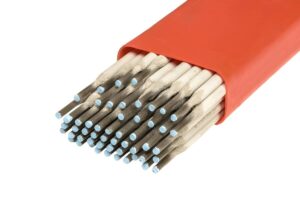
A welding rod, also called a welding electrode, is a metal stick coated with a flux material. When you use it in arc welding, the rod melts and fuses two pieces of metal together. The coating around the rod helps protect the weld from air and other contaminants while it cools down.
There are many different types of welding rods available, and each one is designed for a specific job. That is why understanding the specifications printed on every rod is so important before you buy.
How to Read a Welding Rod Number
Most welding rods follow the AWS (American Welding Society) classification system. You will usually see a number like E6013 or E7018 printed on the rod. Let us decode what each part of this number means.
The Letter “E”
The “E” stands for Electrode. This tells you that the rod is meant for electric arc welding. Almost every standard welding rod starts with this letter.
The First Two (or Three) Numbers
The first two digits represent the tensile strength of the weld. Tensile strength tells you how much pulling force the weld can handle before it breaks.
For example:
- E60XX = 60,000 psi tensile strength
- E70XX = 70,000 psi tensile strength
A higher number means a stronger weld. So if you are working on heavy-duty structural projects, you will want a rod with a higher tensile strength rating.
The Third Number — Welding Position
The second-to-last digit tells you which welding positions the rod can be used in. This is important because not every rod works in every direction.
- 1 = All positions (flat, horizontal, vertical, overhead)
- 2 = Flat and horizontal only
- 3 = Flat position only
- 4 = Flat, overhead, horizontal, and vertical-down
So a rod marked “1” in this spot is the most versatile — it works in any direction. If you do a lot of overhead or out-of-position welding, always look for a “1” in this position.
The Last Number — Flux Coating and Current Type
The last digit tells you about the type of flux coating on the rod and what kind of electrical current it works with. This affects the arc behavior, penetration depth, and how easy the rod is to use.
Here is a quick breakdown:
- 0 & 1 = High cellulose sodium/potassium coating — deep penetration, used for pipelines
- 2 & 3 = Titania sodium/potassium — smooth arc, easy for beginners
- 4 = Iron powder titania — fast fill, good for thick metals
- 5, 6 & 8 = Low hydrogen coatings — best for high-strength steels, crack-resistant welds
Most Common Welding Rod Types and Their Uses
Now that you know how to read the numbers, here are the most popular welding rod types and when to use them:
E6010
This rod is known for deep penetration and works well on rusty or dirty metal. It uses DC current only and is very popular in pipeline and structural welding. It requires a bit of skill to use, so it is not the best pick for beginners.
E6013
This is one of the most beginner-friendly rods out there. It produces a smooth, clean arc and works on both AC and DC current. It is great for thin to medium-thickness mild steel and is widely used in light fabrication and repair work.
E7018
This is a low hydrogen rod and one of the most trusted options for structural welding. It produces strong, crack-resistant welds and works well on high-strength steels. However, it needs to be kept dry — moisture can damage the coating and reduce weld quality.
E7024
This rod has a heavy iron powder coating that allows for fast, high-deposit welds. It works best in flat and horizontal positions and is ideal when you need to fill large gaps quickly.
Welding Rod Diameter — Why Size Matters
The diameter of a welding rod affects how much heat is produced and how deep the weld penetrates. Common rod diameters include:
- 1/16″ (1.6 mm) — for very thin metal sheets
- 3/32″ (2.4 mm) — for light to medium jobs
- 1/8″ (3.2 mm) — the most common size, good for general use
- 5/32″ (4.0 mm) — for thick metal and heavy fabrication
- 3/16″ (4.8 mm) and above — for very heavy structural work
As a general rule, match the rod diameter to the thickness of the base metal. Using a rod that is too thick on thin metal can burn through it, while using one that is too thin on heavy steel will not give you the penetration you need.
AC vs. DC Current — Which One Do You Need?
Your welding machine type matters too. Some rods only work with DC (direct current) machines, while others work with both AC (alternating current) and DC.
- DC rods: More stable arc, better for thin metals and out-of-position welding
- AC rods: Less expensive to run, work fine on thicker metals
Always check your rod’s specification sheet to confirm which current type it supports before you buy.
Welding Rod Material — Match It to Your Base Metal
One of the most important things to get right is matching the welding rod material to the metal you are welding. Using the wrong rod material can result in weak welds or even cracks.
- Mild steel: Use E6013 or E7018
- Stainless steel: Use E308, E309, or E316 series electrodes
- Cast iron: Use nickel-based electrodes like ENiFe-CI
- Hard facing: Use specialized hardfacing electrodes for wear-resistant surfaces
- Dissimilar metals: Use a buffer rod or a specially designed bi-metal electrode
Storage Tips for Welding Rods
Even the best welding rods can fail if they are not stored properly. Here are a few simple tips:
- Always keep rods in a dry place — moisture ruins the coating, especially on low hydrogen rods like E7018
- Use a rod oven to store low hydrogen electrodes at 250–300°F (120–150°C) before use
- Do not leave open rod containers in humid environments
- Inspect rods before use — if the coating is cracked or chipped, discard them
Quick Checklist Before Buying Welding Rods
Here is a simple checklist to run through every time you are about to buy welding rods:
- What type of metal am I welding? (mild steel, stainless, cast iron, etc.)
- How thick is the base metal?
- What welding position will I be working in?
- Do I have an AC or DC welding machine?
- What tensile strength does my project require?
- Do I need a low hydrogen rod for crack-sensitive applications?
If you can answer all six questions, you are well on your way to picking the right welding rod for the job.
Final Thoughts: Choosing the Right Welding Rod with Confidence
Understanding welding rod specifications becomes much easier once you are familiar with the AWS classification system. By learning what the letters and numbers represent—such as tensile strength, welding position, and coating type—you can make informed decisions and select the most suitable electrode for your application.
Always ensure the welding rod matches the base metal, welding position, and capabilities of your welding machine. Taking a few minutes to check the product specifications can help improve weld quality and prevent costly mistakes. If you need expert advice, your supplier can help guide you toward the best option.
At Shree Kailaji Alloys Pvt. Ltd., we offer an extensive selection of welding electrodes, rods, and consumables designed to meet the needs of industrial, commercial, and fabrication projects. Get in touch with our team today for reliable products and professional assistance in choosing the right welding solution.

 by
by