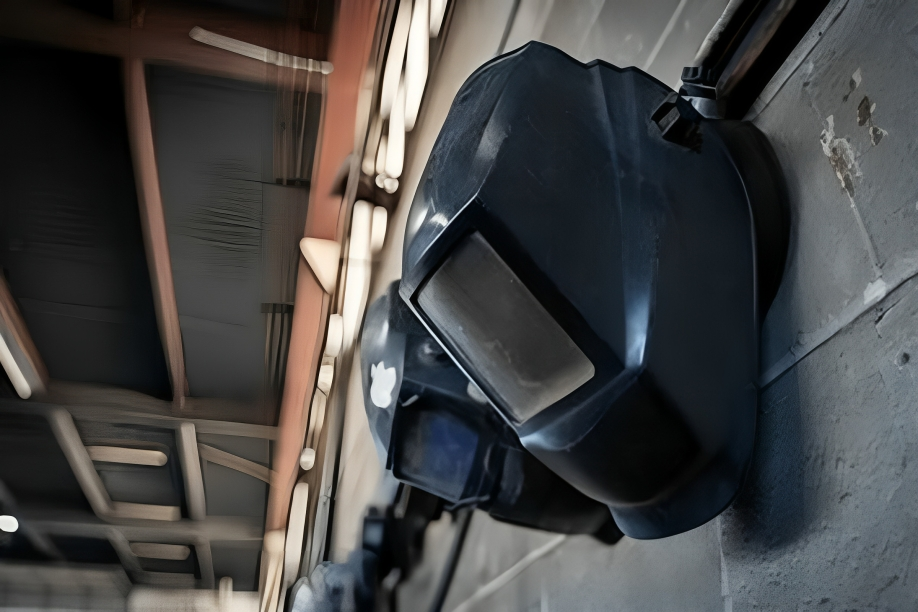
In many industrial environments, safety gear can sometimes feel like an extra step—something workers might overlook when they’re in a hurry to finish a job. But when it comes to welding, skipping protective equipment is never worth the risk. Among all safety tools, Welding Helmets are not optional accessories; they’re essential protective equipment that can prevent serious injuries and long-term health problems.
As professionals who work closely with welding operations and safety standards, we’ve seen how proper protection can make a critical difference—not just in safety, but also in productivity and work quality. Let’s take a closer look at why welding helmets are a must-have in every welding setup.
The Hidden Dangers of Welding Without Protection
Welding involves intense heat, bright light, sparks, and harmful radiation. Without proper protection, welders are exposed to hazards that aren’t always immediately visible.
One of the biggest risks is arc eye, a painful condition caused by ultraviolet (UV) radiation from the welding arc. Even a few seconds of exposure can lead to redness, tearing, blurred vision, and severe discomfort. Repeated exposure can cause long-term eye damage.
There’s also the danger of flying sparks and molten metal, which can cause burns on the face and neck. Standard sunglasses or face shields simply don’t provide the level of protection needed. Only purpose-built industrial welding helmets are designed to handle these risks safely.
Why Welding Helmets Are Essential
1. Protection from Harmful Radiation
Welding arcs emit intense UV and infrared radiation. High-quality welding helmets have special filter lenses that block these harmful rays, protecting both the eyes and skin. Without this protection, welders risk permanent vision damage and skin burns.
2. Clear Visibility While Working
Modern welding helmets are designed with auto-darkening lenses that adjust instantly when the arc is struck. This allows welders to see clearly while positioning their work and then receive full protection once welding begins. Better visibility means more precise welds and fewer mistakes.
3. Face and Neck Safety
A proper helmet shields not only the eyes but also the entire face and neck. This prevents burns from sparks, heat, and molten metal droplets. In industrial settings where high-amperage welding is common, this level of coverage is absolutely essential.
4. Increased Productivity
Some people assume safety gear slows work down. In reality, it often improves efficiency. When welders feel safe and comfortable, they can focus better on their task. Features like lightweight materials, adjustable headgear, and anti-fog lenses make modern helmets comfortable enough for long hours of use.
5. Compliance with Safety Standards
Industrial workplaces must meet strict safety regulations. Using certified industrial welding helmets helps companies comply with occupational safety requirements and avoid penalties. More importantly, it shows a commitment to worker well-being, which boosts morale and trust on the job.
Not All Helmets Are the Same
Choosing the right helmet matters just as much as wearing one. Professional-grade welding helmets are built with durable materials, reliable lens technology, and ergonomic designs. Cheaper or low-quality helmets may not provide consistent protection, especially in high-intensity welding environments.
When selecting a helmet, it’s important to consider:
- Lens shade range
- Reaction speed of auto-darkening filters
- Comfort and weight
- Adjustability
- Compliance with safety certifications
Investing in quality equipment ensures both safety and long-term value.
Who Needs Welding Helmets?
The simple answer: anyone involved in welding or working near welding operations. This includes:
- Professional welders
- Fabrication workers
- Maintenance technicians
- Industrial contractors
- Apprentices and trainees
Even observers or assistants near welding arcs should wear proper eye and face protection. Exposure risks don’t only affect the person holding the torch.
Final Thoughts
Thinking Welding Helmets are optional is a misconception that can lead to serious consequences. Welding is a skilled and demanding task, but it also comes with real hazards that shouldn’t be underestimated. A high-quality helmet isn’t just protective gear—it’s a critical tool that supports safety, accuracy, and efficiency.
Whether you’re a professional welder or managing an industrial workshop, investing in reliable industrial welding helmets is one of the smartest decisions you can make. After all, protecting your vision, skin, and overall health isn’t optional—it’s essential.

 by
by
Pingback: cephalexin insurance and cash-pay guidance